

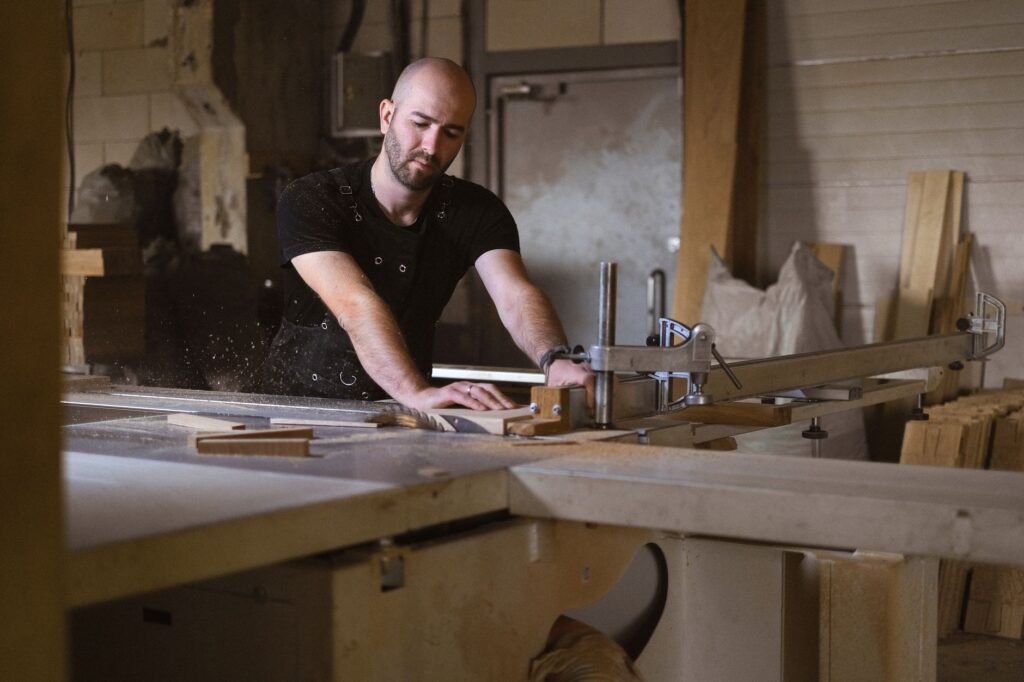
Ask a room full of people what a carpenter does and most will describe something from forty years ago: a guy with a hammer, framing walls, cutting two-by-fours by eye. It’s a flattering picture in some ways, but it’s also wildly out of date, and that gap between perception and reality causes real problems. It affects who chooses the trade, what clients expect to pay, and whether young people take it seriously as a career.
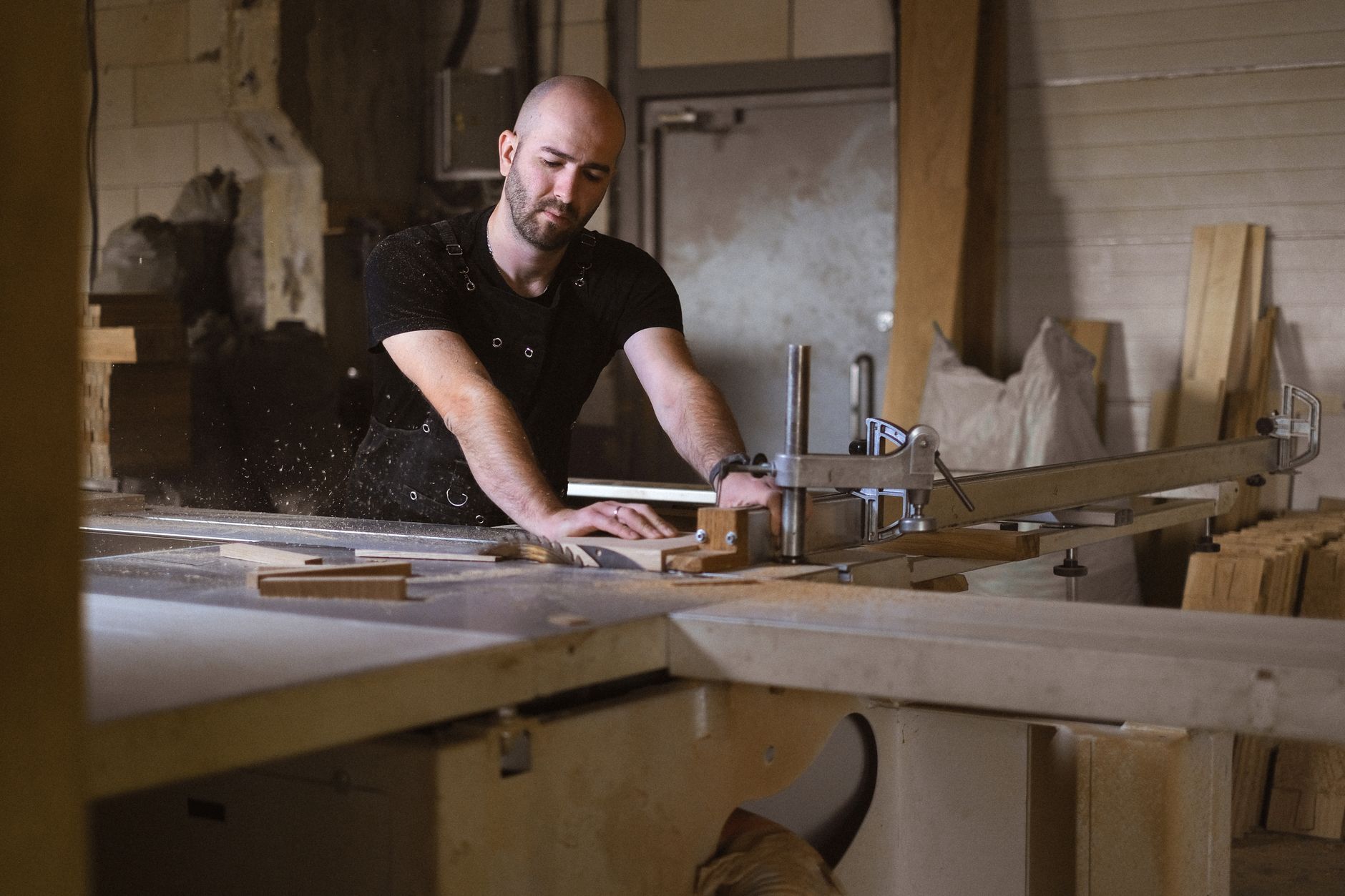
I’ve spent long enough in this work to watch the job change under my own hands. The idea that carpentry is a fading, low-skill fallback for people who couldn’t do anything else is not just wrong. It’s almost backwards.
Where the Outdated Reputation Comes From
The stereotype isn’t invented from nothing. For generations, rough framing was the visible face of the trade, and it genuinely was heavy, repetitive, and more about stamina than finesse. That image stuck. Add the assumption that anything involving wood and tools must be simpler than a desk job, and you get a trade the public files under “manual labor” without a second thought.
What the public missed is that the framing crew was only ever one slice of the field. The precision end of carpentry never made the postcards, so most people never formed a mental picture of it at all.
More Math Than Muscle
Spend a day with a finish carpenter and the muscle myth collapses quickly. The real work is calculation. Rise and run on a staircase. Compound miters that have to close with no visible gap. Figuring out how a cabinet run accommodates a floor that drops half an inch across its length. You’re constantly converting fractions, checking angles, and working out how a small error at one end multiplies by the time it reaches the other.
Modern tools raise the bar rather than lower it. Laser levels, digital angle finders, and CNC-cut components mean the tolerances clients expect are tighter than they used to be. A machine can cut to a thousandth of an inch, so the person installing has to think at that scale too.
The Design Literacy Nobody Mentions
Here’s the part that surprises people most. A good carpenter reads design. You’re interpreting an architect’s drawings, catching the details that won’t actually work in the field, and often solving problems the designer left open. Proportion, sightlines, how a reveal catches light, whether a trim profile suits the age of the house — these are aesthetic judgments made constantly, usually on the spot.
Clients increasingly want built-ins, custom millwork, and spaces tailored to how they live. That means the carpenter is part craftsman, part designer, translating a rough idea into something buildable and beautiful.
Why Demand Keeps Climbing
Far from dying, skilled carpentry is harder to book than it’s been in years. A generation was steered toward university and away from the trades, so the pipeline of genuinely skilled people thinned out. Meanwhile, demand for renovation, custom work, and quality repair kept growing. Simple economics: fewer qualified hands, more work waiting.
Prefabrication was supposed to make carpenters obsolete. Instead it created a different kind of demand — for people who can integrate factory-made components into real homes that are never perfectly square and never quite standard.
What Clients Still Get Wrong
The most common misunderstanding I run into is that carpentry is a commodity, interchangeable from one person to the next, priced purely by the hour. People will compare quotes as if they’re buying the same thing from different sellers, when the actual difference is in judgment, planning, and whether the result still looks right in ten years.
The teams who take the craft seriously, like Klein Carpentry working around Jacksonville, spend real effort on the parts a client never sees — the layout, the sequencing, the quiet decisions that keep a project from going sideways later. That invisible work is exactly what separates a lasting result from a quick one.
A Word From Klein Carpentry
If there’s one thing I’d want people to carry away, it’s that the trade asks far more of a person than the stereotype allows. It rewards patience, precision, and a genuine eye. Treating it as low-skill does a disservice to everyone — the tradespeople, and the clients who end up paying twice.
- Modern carpentry is driven by measurement and math, not raw strength.
- Design judgment is a core part of the job, not an add-on.
- Skilled carpenters are in short supply and rising demand.
- Lowest quote rarely means equal work — judgment is what you’re buying.